
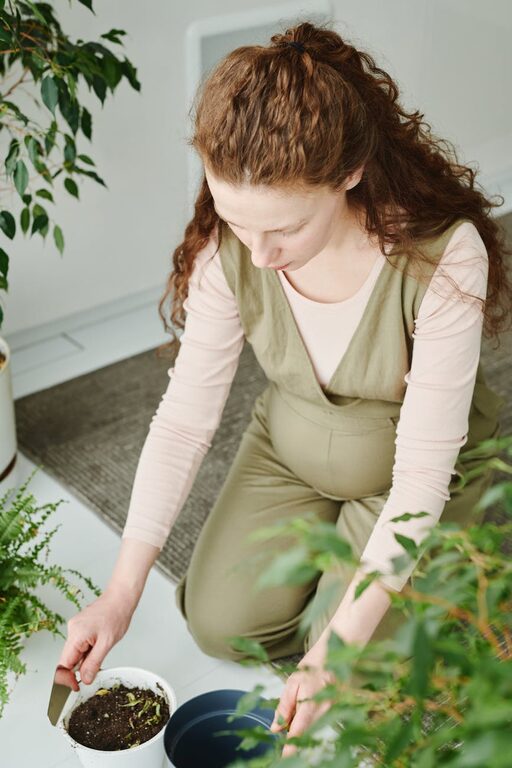
Bringing houseplants into your home can brighten your space, improve air quality, and boost your mood. However, keeping houseplants healthy requires understanding their basic needs and creating an environment where they can thrive. Whether you’re new to indoor gardening or want to improve your plant care routine, these tips will help you maintain lush, vibrant houseplants.
Understanding Your Plant’s Needs
Every plant species has distinct requirements when it comes to light, water, soil, and humidity. Taking time to learn about the specific types of houseplants you own will guide you in providing the right conditions for growth.
– Research Your Plant: Look up care instructions for each plant variety, focusing on lighting preferences and watering frequency.
– Label Your Plants: If you have many, labeling can help you remember their unique needs.
Choosing the Right Location
Light is one of the most critical factors for a plant’s health.
– Identify Light Levels: Determine if your space has bright, indirect, direct, or low light.
– Match Plants to Light: Place sun-loving plants, like succulents and cacti, near windows with direct sunlight; foliage plants like pothos and peace lilies prefer indirect or low light.
– Rotate Plants Regularly: Turning your plants every week helps all sides receive light evenly, promoting balanced growth.
Watering Wisely
Overwatering and underwatering are common causes of plant stress.
– Check Soil Moisture: Use your finger to check the top inch of soil before watering. If it’s dry, it’s usually time to water.
– Consistent Schedule: Though watering needs vary, try to keep a regular watering schedule adjusted for seasons and indoor humidity.
– Drainage Matters: Make sure pots have drainage holes to prevent waterlogging, which can cause root rot.
– Avoid Water on Leaves: When watering, target the soil rather than the leaves to avoid mold and fungus growth.
Choosing the Right Soil and Pot
Healthy soil is the foundation of healthy plants.
– Use Quality Potting Mix: Select a potting mix suited for your plant type (e.g., cactus mix for succulents, peat-based mix for tropical plants).
– Repot When Needed: Plants outgrow their pots, so repotting every 1-2 years refreshes soil nutrients and allows room for roots to expand.
– Pot Size Matters: Pick pots slightly larger than the current root ball, but not too big to avoid soil staying soggy.
Managing Humidity and Temperature
Indoor environments can sometimes be too dry or too cold for tropical houseplants.
– Humidity Trays: Place trays with water and pebbles beneath pots to increase humidity gently.
– Group Plants Together: Clustering plants can create a microenvironment with higher humidity.
– Avoid Drafts: Keep plants away from heating vents, air conditioners, and drafty windows.
– Maintain Steady Temperatures: Most houseplants thrive between 60–75°F (15–24°C).
Regular Feeding and Pruning
Providing nutrients and maintaining plant shape supports healthy growth.
– Fertilize Appropriately: Use a balanced, water-soluble fertilizer monthly during the growing season (spring and summer). Reduce or pause feeding in fall and winter.
– Prune Dead or Yellow Leaves: Removing damaged leaves prevents disease spread and encourages fresh growth.
– Pinch Back New Growth: For bushier plants, gently pinch back stems to promote branching.
Keeping an Eye Out for Pests and Diseases
Healthy plants resist pests better but still need attention.
– Inspect Plants Regularly: Check leaves, stems, and soil for signs of pests like spider mites, aphids, or scale insects.
– Use Gentle Treatments: For minor infestations, wipe leaves with a damp cloth or use insecticidal soap. Avoid harsh chemicals indoors unless necessary.
– Improve Air Circulation: Good airflow around plants can reduce fungal diseases.
Tips for Specific Plant Types
– Succulents and Cacti: Require bright light and infrequent watering. Let soil dry out completely between watering.
– Tropical Plants: Enjoy indirect light, higher humidity, and consistent moisture.
– Ferns: Prefer moist soil and humid air; misting can help.
– Orchids: Need indirect light, specific potting medium (bark), and less frequent watering.
Final Thoughts
Caring for houseplants is a rewarding hobby that brings nature into your home. By paying attention to light, water, soil, and overall care, you can enjoy your green companions for years to come. Remember that each plant is unique, so patience and observation are key to becoming a successful indoor gardener. Happy planting!
