
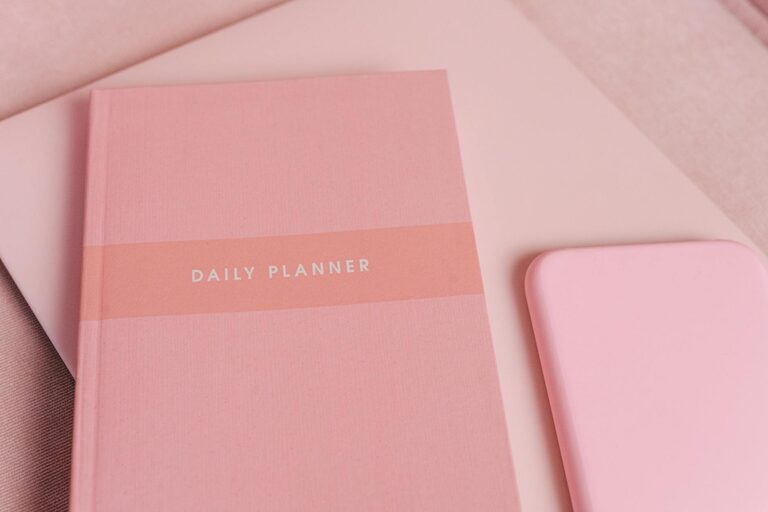
Choosing a notebook might seem like a small decision, but picking the right one can make a big difference in how often you use it and how effective it is for your needs. Whether you’re looking to jot down ideas, plan your days, or keep a journal, having a notebook that fits your style and purpose can motivate you to write regularly.
In this post, we’ll walk through key factors to consider so you can find a notebook you’ll actually use.
Understand Your Purpose
Before you buy a notebook, pinpoint why you want one. Ask yourself:
– Is it for daily planning or to-do lists?
– Do you want to journal or reflect on your thoughts?
– Will you use it for work notes or creative ideas?
– Do you need a place for sketches or diagrams?
Knowing the primary use helps determine the size, layout, and features you’ll need.
Choosing the Right Size
Notebooks come in various sizes, and choosing one suitable for your lifestyle is essential.
Pocket or Small (A6 or smaller)
– Portable, easy to carry everywhere
– Great for quick notes or lists on the go
– Limited space for longer writing sessions
Medium (A5)
– Popular size for most uses
– Balances portability with enough space
– Fits easily into backpacks or purses
Large (A4 and above)
– Ideal for detailed notes or sketches
– Less portable, usually kept at home or office
– Provides ample space for organizing ideas
Consider where you’ll use the notebook most. If you want to carry it daily, a smaller size may be best. For extensive writing or drawing, a larger size works better.
Paper Type and Quality
The feel of the paper matters, especially if you enjoy writing or sketching.
– Weight: Heavier paper (like 80-100 gsm) prevents ink from bleeding through.
– Texture: Smooth paper suits pen writing; rougher textures may be better for pencil or markers.
– Color: White paper is bright and clear, while cream-colored is softer on the eyes.
If you use fountain pens or markers, look for paper designed for minimal bleed-through and feathering.
Layout Options: Find What Inspires You
The notebook’s page layout should align with how you write or organize.
Lined
– Helps keep handwriting neat and structured
– Ideal for journaling, note-taking, or writing
Grid or Graph
– Great for bullet journaling, planning, or sketching diagrams
– Helps organize information spatially
Dot Grid
– Offers subtle guidance without being intrusive
– Favored by bullet journalers and creatives
Blank
– Provides freedom for sketches, drawings, or freeform notes
– Less structured, good for artists or designers
Think about which layout encourages you to use the notebook regularly.
Binding Types: What Feels Right?
The way a notebook opens and lies flat affects usability.
Spiral Bound
– Lies flat when open
– Pages can be torn out easily
– Bulkier edges may not fit all bags
Hardcover or Softcover
– Hardcover offers durability and protection
– Softcover is lighter and flexible
Sewn or Perfect Bound
– Durable and looks professional
– May not lie perfectly flat, which can affect writing comfort
Try handling different notebooks in stores if possible to see what feels best.
Additional Features to Consider
Many notebooks come with extras that can enhance your experience.
– Ribbon bookmarks: Convenient for marking pages
– Elastic closure bands: Keep your notebook securely closed
– Pen loops: Attach your favorite pen for easy access
– Inner pockets: Store loose notes, receipts, or stickers
While extras can be helpful, too many may add bulk or cost.
Set a Realistic Budget
Notebooks vary widely in price. Some premium brands offer high-quality paper and stylish designs, but you don’t need to splurge to find a good notebook.
Decide how much you’re willing to spend, balancing between quality and affordability. Remember, a notebook’s usability and your motivation to write are the best investment.
Tips to Make Your Notebook a Daily Habit
Choosing the right notebook is the first step. Here are some tips to ensure you actually use it:
– Keep it accessible—carry it with you or keep it on your desk.
– Set a small daily goal, like writing one sentence or listing three to-dos.
– Personalize it with stickers, doodles, or colors to make it inviting.
– Don’t worry about perfection; use your notebook as a tool, not a project.
– Review your notes regularly to see your progress and stay motivated.
Conclusion
Finding a notebook you’ll actually use comes down to understanding your needs and preferences. By considering size, paper quality, layout, binding, and features, you can pick a notebook that makes writing and organizing enjoyable. Remember, the best notebook is one that feels right for you and encourages you to put pen to paper regularly.
Happy writing!

Related Posts